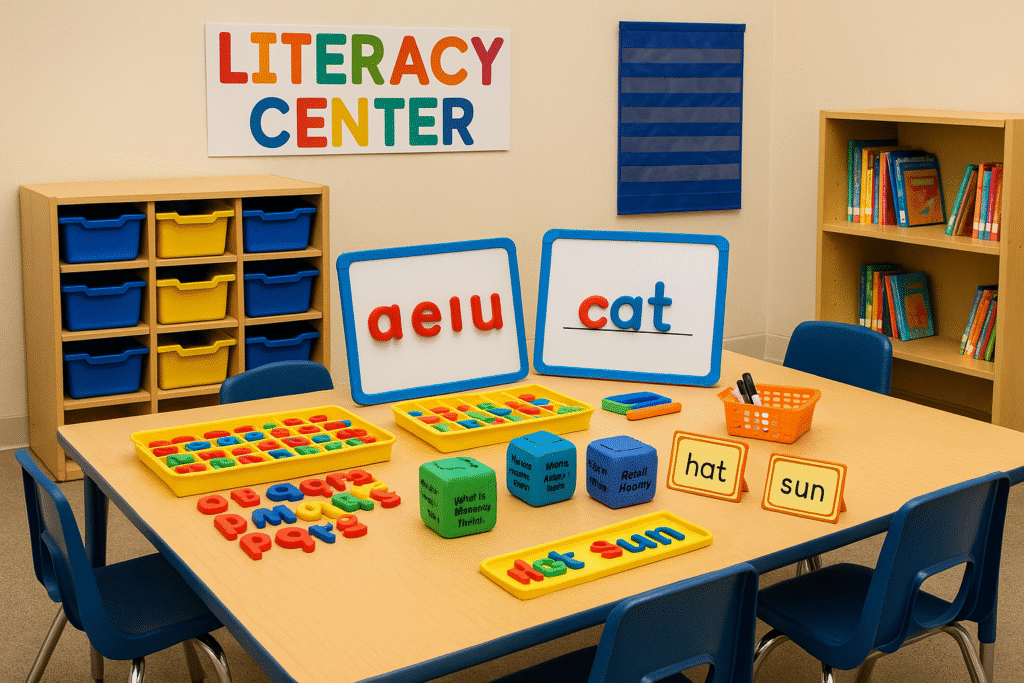
A well-designed literacy center gives students hands-on, differentiated practice with reading, writing, and speaking. Having the right tools makes all the difference. Here are five must-have items to stock your literacy center, plus tips on how to use them, and some Amazon picks to help you get them quickly.
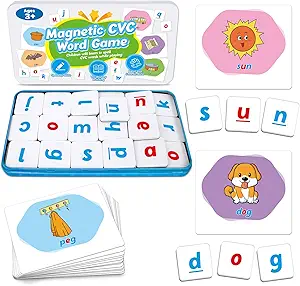
1. Magnetic Alphabet & Word Building Sets
Why it matters:
These help students practice phonics, letter recognition, forming words (CVC, blends, etc.), and build confidence with spelling. They are especially useful in small groups or for partner work. When teaching lower elementary, I used these daily in small group lessons.
What to look for:
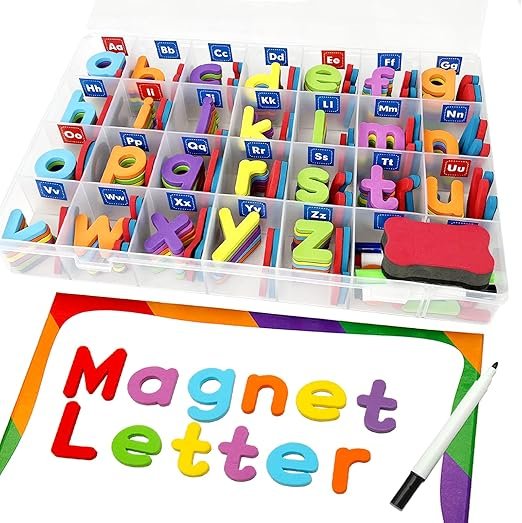
- Both uppercase & lowercase letters
- Color coding for vowels vs consonants (if possible)
- Included storage or compartmentalized case to keep pieces organized
- A magnetic board or surface so students can move, rearrange, erase easily (cookie sheets are also good to use, click here for a link to a good buy)
Amazon picks:
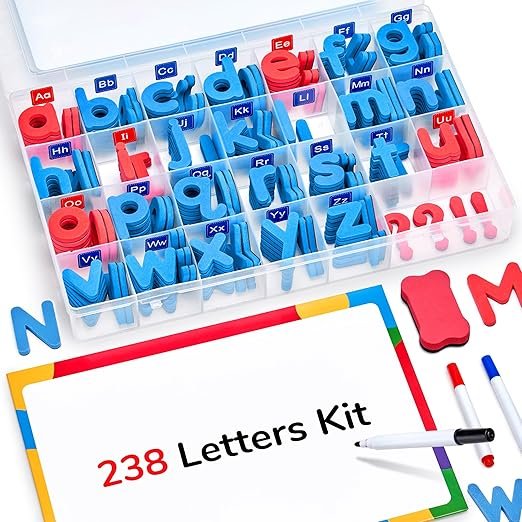
- Gamenote Classroom Magnetic Alphabet Letters Kit (238 pcs) — Includes 182 lowercase & 52 uppercase foam magnetic letters, a double-sided magnetic writing board, markers, and an eraser. Amazon
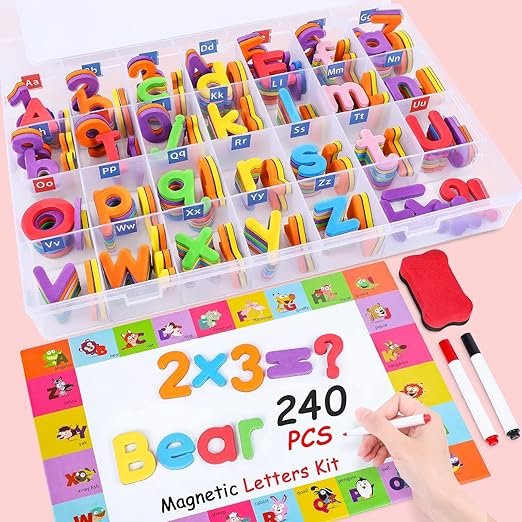
- EZIGO 240-Piece Magnetic Letters & Numbers Set — Comes with letters, numbers & symbols, plus a magnetic board and storage box. Great if you want extras (numbers, symbols) beyond just letters. Amazon
- HELLOCUBE Classroom Magnetic Alphabet Letters (237 pcs) — Includes multiple sets of lowercase/uppercase, symbols, and a writing board as well. Amazon
2. Reading Comprehension Cubes (Foam Dice)
Why it matters:
These make comprehension practice interactive and fun. Instead of just answering questions, students roll cubes that prompt discussion and thinking before, during, and after reading. Helps build comprehension skills, speaking & listening, and higher-order thinking.
What to look for:
- Color-coded sides for scaffolding (pre/during/post-reading)
- Quiet and durable material (foam works well in classroom settings)
- Questions appropriate for the grade level + open-ended formats
- Includes a guide or ideas for how to use them
Amazon picks:
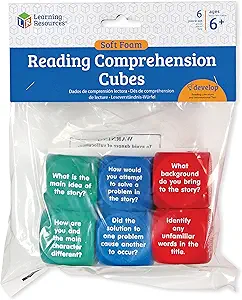
- Learning Resources Reading Comprehension Cubes — A set of six soft foam cubes with color coding that align to different reading stages. Amazon
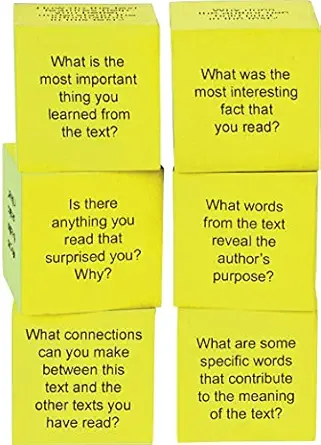
- Teacher Created Resources Foam Nonfiction Comprehension Cubes — Includes multiple cubes and questions, with a non-fiction focus. Amazon
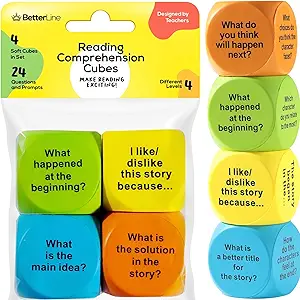
- Interactive Reading Comprehension Cubes Set (24 Questions, 4 Levels) — Great if you want more levels of challenge built in. Amazon
3. Dry-Erase Boards & Lined Boards
Why it matters:
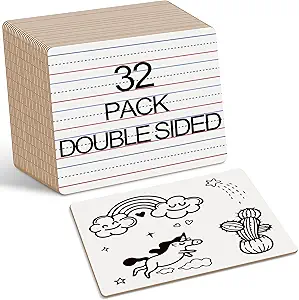
Dry-erase boards allow students to write, erase, and try again without wasting paper. Lined versions are especially helpful for early writers to keep letters properly sized and spaced. These are very useful for practice, quick checks, partner work, or even exit tickets.
What to look for:
- Lined vs blank sides
- Durable, easy to clean
- Size that works for small groups or individual students
- Markers & erasers that are easy to manage
Amazon-type options:
While I don’t have a single exact product listed here in this post, I have made a previous post outlining Dry-Erase essentials. If you would like to see my suggestions from that post, you can click here.
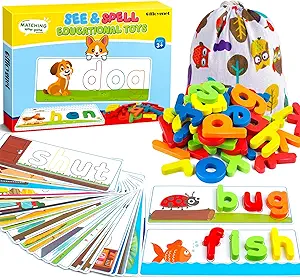
4. Manipulatives for Phonics / Word Families / Sight Words
Why it matters:
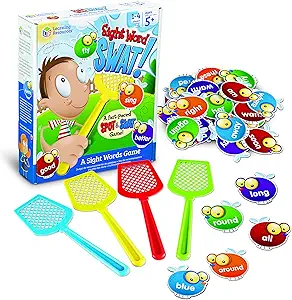
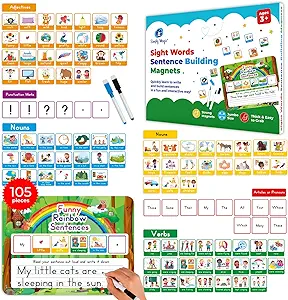
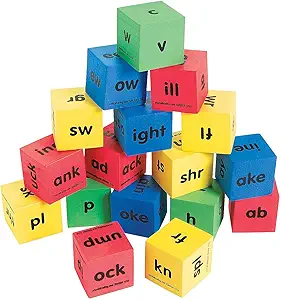
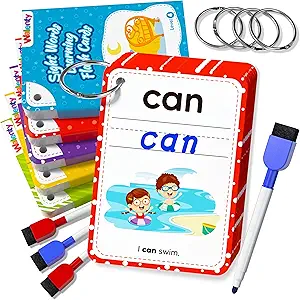
Hands-on tools & games make abstract ideas concrete. Manipulatives like word family blocks, flash cards, dominoes, pop-ups, etc., help students understand patterns, decode new words, and solidify sight word recognition through repeated, playful exposure.
What to look for:
- Multiple sets so students can work independently
- Self-checking or easy to check (for students or teachers)
- Durable (laminated cards, thick plastic pieces, etc.)
- Material variety (wood, foam, plastic) for sensory variety, fine motor support
Amazon ideas:
- Many of the “literacy center supplies” lists include phonics dominoes, sight word flash cards, word family dice, etc. For a list of some of my favorite small group and center items click here.
5. Storage, Organization & Sorting Tools
Why it matters:
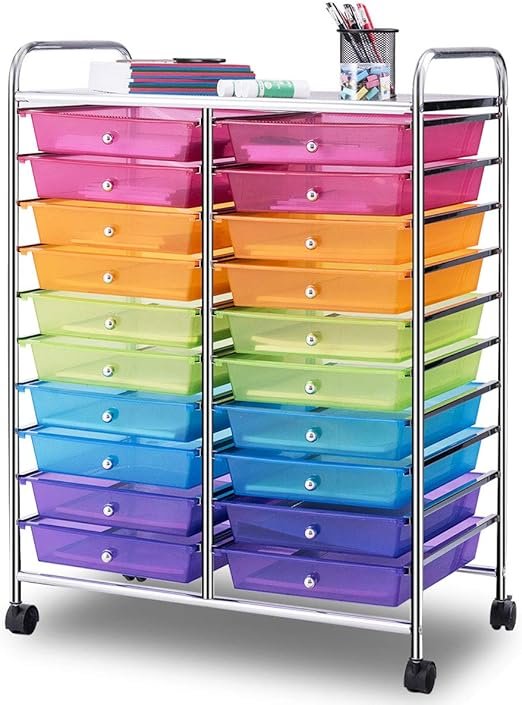
No matter how great your materials are, if they’re not stored well, you’ll lose time, pieces will get broken or missing, and students may get frustrated. Good organization helps both teacher prep and student independence.
What to look for:
- Bins, trays, or pouches clearly labeled
- Drawer organizers or compartment boxes for small pieces (letters, cards, dice)
- Pocket charts or board holders to display instructions or word lists
- Durable, easy-to-clean containers
Amazon-related picks:
- Some magnetic letter kits come with storage boxes built in (see the picks above).
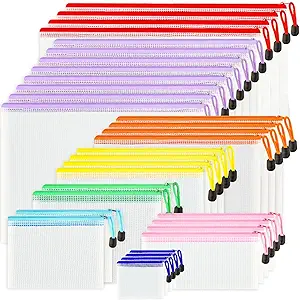
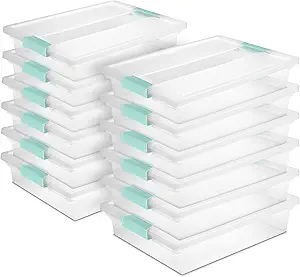
- There are organizer boxes and plastic envelopes, etc., that you can purchase to help keep things in place. Click here for a link to some of my favorite organization items.
Tips for Integrating These Items
- Rotate materials so literacy centers stay fresh and engaging.
- Model usage so students know exactly what to do with each item.
- Use student choice within the center to give ownership.
- Include reflection/discussion as part of comprehension cubes or any game-based item.
- Check condition often — replace worn markers, broken manipulatives, torn cards.